Why Your Encrypted Data Is Already at Risk (And What's Being Done About It)
Aditya Kachhawa

The internet feels private because of a hidden layer of protection called encryption. It safeguards your banking password, your WhatsApp chats, your work emails, and that reassuring little lock icon in your browser bar.
For decades, we've trusted this system based on one simple assumption: The math problem locking your data is so impossibly hard that it would take a normal computer millions of years to crack it.
That assumption is about to crumble.
Two powerful forces are colliding to shatter it: Quantum Computing (which rewrites the laws of physics for computers) and Artificial Intelligence (which weaponizes attacks at unprecedented speed). The solution the world is racing toward? Post-Quantum Cryptography (PQC).
This article explains what that is, why cybersecurity experts are sounding the alarm, and why your most sensitive data might already be at risk today no PhD in mathematics required.
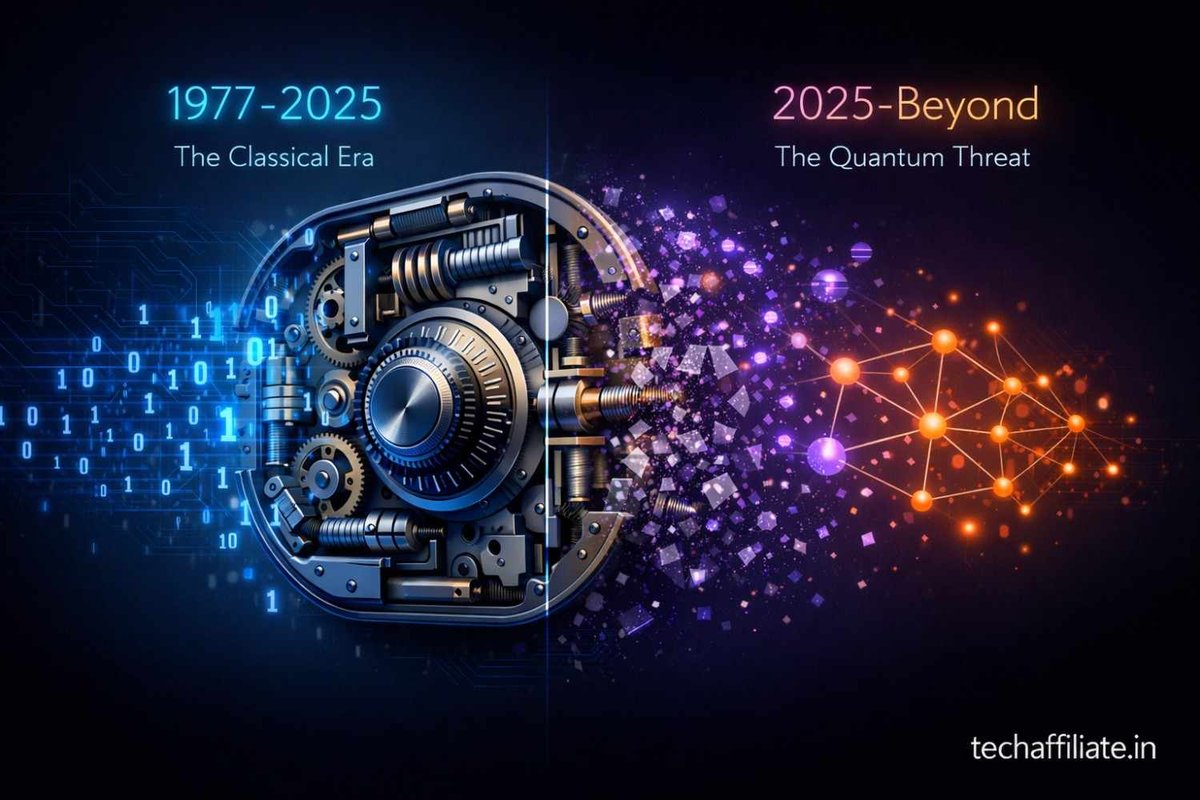
1. How the "Lock" Works Today
To understand the threat, you first need to understand the lock protecting the modern digital world.
Most of the internet relies on something called Public-Key Cryptography a system that's powered everything from online banking to secure messaging for over four decades.
The "Mailbox" Analogy
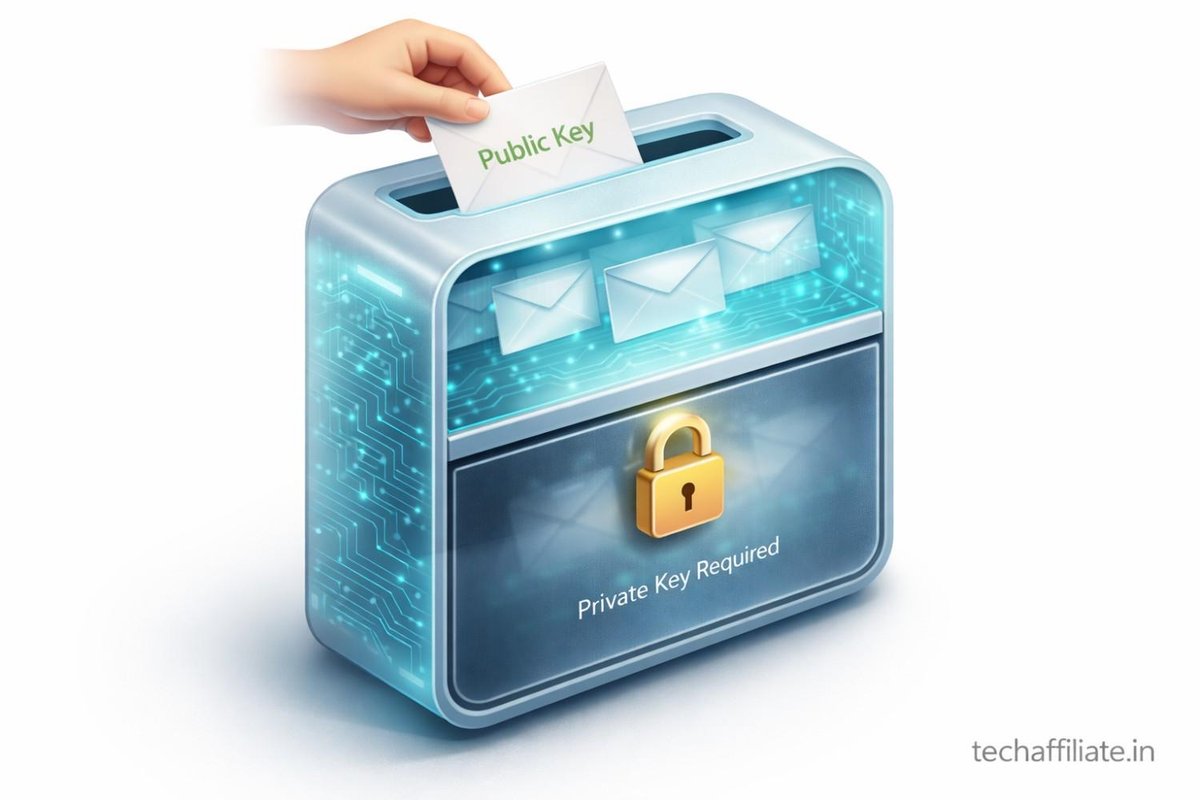
Think of this system like a mailbox with a slot on the front:
- The Public Key: Anyone (Amazon, your bank, a friend) can drop a message through the slot. This is the "public" part—it's openly available to everyone who wants to send you something.
- The Private Key: Only you have the key to open the box and read what's inside. Without this key, the messages remain locked forever.
Current encryption standards like RSA (Rivest-Shamir-Adleman) and Elliptic Curve Cryptography rely on math problems that make it trivially easy to drop messages in, but mathematically impossible for a hacker to "pick the lock" and read them without your private key.
For 40 years, this has worked flawlessly. These locks depend on specific math problems like factoring enormous numbers with hundreds of digits that conventional computers simply cannot solve in any reasonable timeframe.
But here's the problem: those math problems are about to get dangerously easier to solve.
2. The Quantum Threat: A Master Key for the Internet
Quantum computers aren't just "faster" versions of supercomputers. They operate on fundamentally different laws of physics that break all our current assumptions about computation.
The "Spinning Coin" Analogy
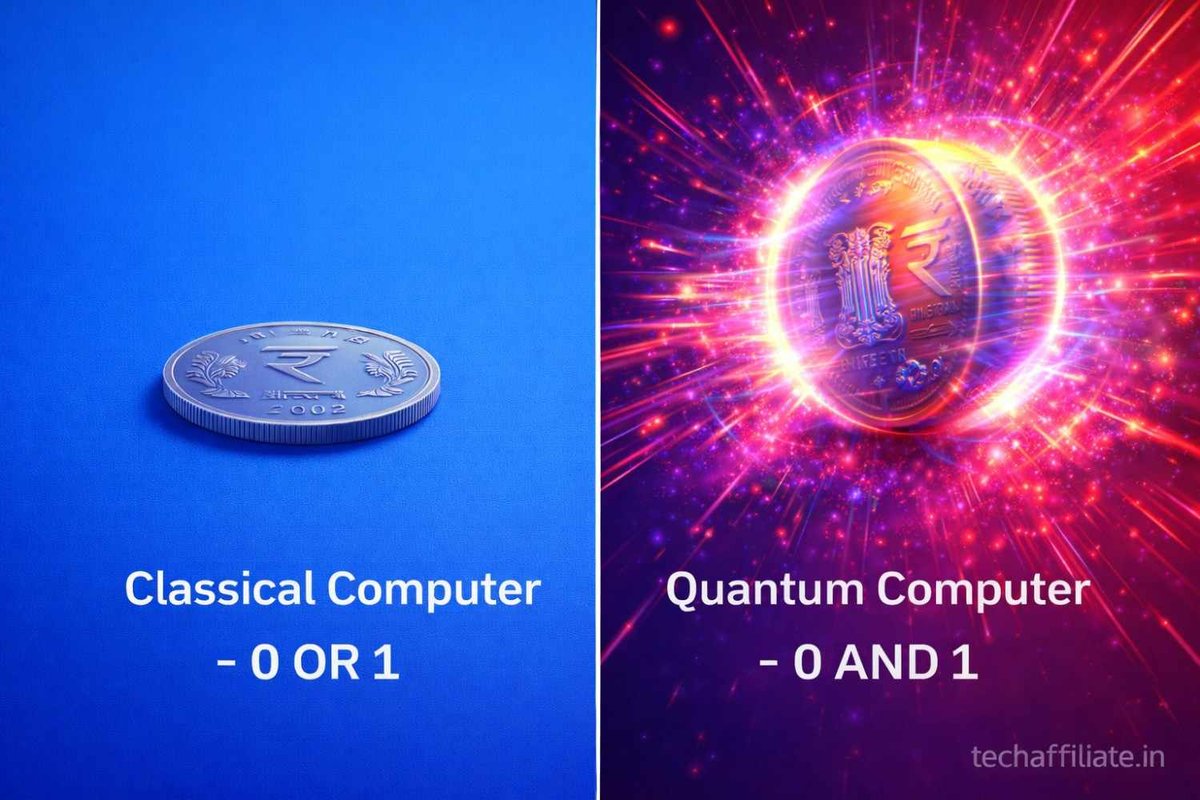
- Classical Computers (what we use now): Think of a coin lying flat on a table. It's either Heads (0) or Tails (1). It cannot be both simultaneously. This binary state is how every smartphone, laptop, and server on Earth operates.
- Quantum Computers: Think of a coin spinning rapidly on a table. While it spins, it exists in a state called superposition—it's effectively Heads AND Tails at the same time until you stop it and observe the result.
Because of this "spinning" state (achieved using qubits instead of regular bits), quantum computers can explore millions of calculation paths in parallel paths that would completely overwhelm a classical computer.
The Breaking Point: Shor's Algorithm
A mathematician named Peter Shor discovered an algorithm in 1994 that allows quantum computers to act like a universal master key for current encryption.
Where a normal computer would need to try every possible key combination over a million years, a quantum computer running Shor's Algorithm can mathematically calculate the shape of your private key directly and crack it in minutes or hours.
When a sufficiently powerful quantum computer comes online (experts estimate sometime in the 2030s), the encryption protecting online banking, secure websites (HTTPS), VPNs, digital signatures, and cryptocurrency wallets could be shattered almost instantly.
The clock is ticking.
3. "Harvest Now, Decrypt Later": Why You Should Care Today
You might be thinking: "Quantum computers powerful enough to break encryption are still years away. Why should I worry right now?"
Here's the terrifying answer: The danger isn't just about the future. It's about what's happening at this very moment.
The "Locked Diary" Threat
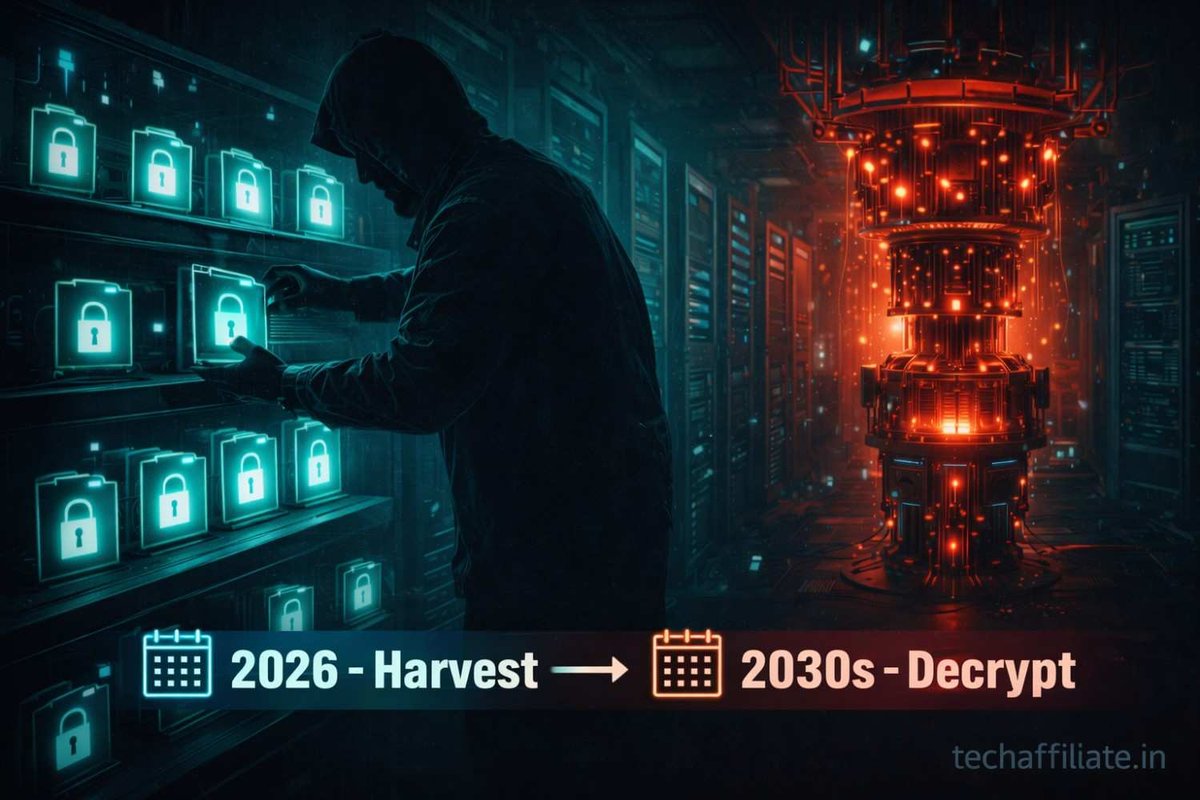
Imagine a thief breaks into your home and steals your locked diary today. They can't open it yet because the lock is too sophisticated for their current tools. So they don't even try.
Instead, they simply place it on a shelf in their warehouse.
They're patiently waiting for the day perhaps 5 or 10 years from now when the perfect "lock-picking tool" (a quantum computer) finally gets invented. Once it does, they'll calmly take your diary off the shelf, crack it open instantly, and read everything you wrote years ago.
The Reality Check:
Sophisticated hacker groups and nation-state intelligence agencies are executing this exact strategy right now. It's called "Harvest Now, Decrypt Later" (HNDL), and it's one of the most serious cybersecurity threats of our generation.
They're actively stealing and stockpiling:
- Encrypted government communications
- Military secrets and defense plans
- Medical records and genetic data
- Corporate trade secrets and R&D documents
- Financial transaction records
- Personal communications of high-value targets
They're banking on the certainty that by the early 2030s, they'll possess the quantum computing power to decrypt everything they've collected.
The Critical Takeaway: If you have a secret that needs to remain secret for the next 10-15 years, it's already at risk today. The theft is happening now, even if the decryption is scheduled for later.
4. Where AI Makes It Worse
If quantum computers are the brute-force muscle that shatters the lock, Artificial Intelligence is the cunning brain that finds the door and exploits every weakness around it.
Even without quantum computers being fully operational yet, AI is already transforming cybercrime by making attacks faster, cheaper, and devastatingly smarter:
Hyper-Realistic Phishing: AI models like ChatGPT can generate scam emails that perfectly mimic your boss's writing style, your bank's communication tone, or your colleague's typical phrasing. These aren't the broken-English spam emails of the past they're indistinguishable from legitimate messages, making social engineering attacks far more effective.
Automated Vulnerability Discovery: AI agents can analyze millions of lines of software code in hours, automatically identifying security bugs and vulnerabilities that human researchers might take months to find. Hackers can then exploit these weaknesses to bypass encryption entirely, stealing data before it even gets encrypted.
Intelligent Target Selection: For "Harvest Now" attacks, AI helps adversaries scan through petabytes of stolen encrypted data, intelligently filtering and prioritizing which files are most valuable to decrypt later focusing on government secrets, intellectual property, and high-value personal information.
The Nightmare Scenario: Quantum computers provide the raw decryption power, while AI orchestrates and automates the attack at massive scale across millions of targets simultaneously. It's not just one lock being picked it's every lock on every door being defeated at once.
5. The Solution: Post-Quantum Cryptography (PQC)
Here's the good news: We're not defenceless. The global cybersecurity community saw this threat coming and has been preparing for years.
The world is now upgrading to Post-Quantum Cryptography (PQC) and despite the sci-fi name, it's more practical than you might think.
Important Clarification: PQC is NOT software that runs on quantum computers. Rather, it's new, highly sophisticated mathematics that runs on regular computers (your phone, your laptop, web servers) but is specifically designed to be impossible for even quantum computers to crack.
The "New Maze"
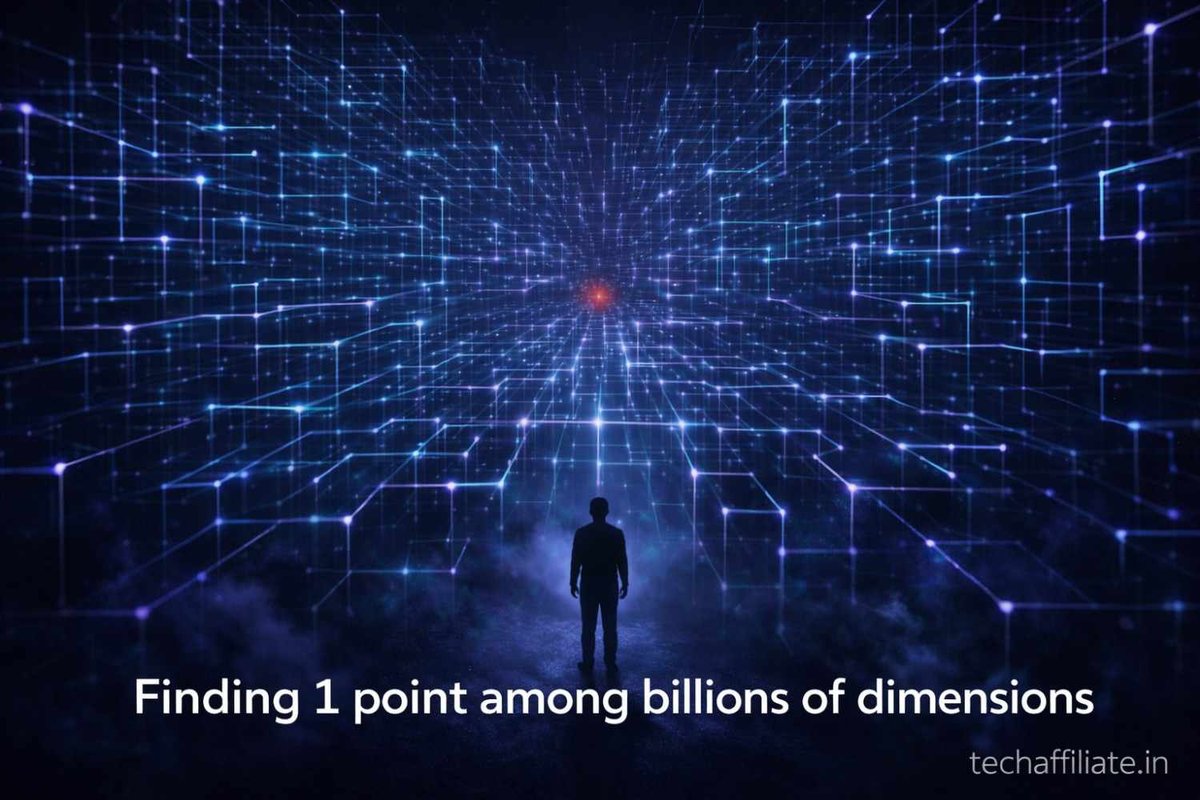
If old encryption like RSA was based on a math problem that quantum computers found a clever shortcut for, PQC is based on entirely different problems called lattice-based cryptography.
Imagine a lattice as a massive, multi-dimensional grid containing billions upon billions of points in mathematical space. The cryptographic challenge involves finding one specific point hidden somewhere in this incomprehensibly vast fog.
It's like trying to find one particular grain of sand in the Sahara Desert except the desert exists in thousands of dimensions simultaneously. Even with quantum superposition and parallel processing, quantum computers get hopelessly lost in this mathematical maze. There's no shortcut, no master algorithm like Shor's that breaks it.
The New Global Standards
In 2024, the U.S. National Institute of Standards and Technology (NIST) the organization that sets cryptographic standards for the world finalized the new "quantum-proof locks" that will protect the future internet:
- ML-KEM (formerly known as Kyber): Used for key encapsulation, the initial "handshake" where your browser and a website establish a secure encrypted connection. This is what creates that lock icon in your address bar.
- ML-DSA (formerly known as Dilithium): Used for digital signatures cryptographic proof that a software update is genuinely from Microsoft or Apple, not malware disguised as a legitimate update.
These aren't experimental concepts, they're production-ready algorithms that major tech companies are deploying right now.
6. What's Happening Now? The Hybrid Protection Strategy
We can't simply flip a global switch and replace the entire internet's encryption overnight. Millions of websites, billions of devices, and countless software systems would break instantly.
So major technology companies are implementing a clever hybrid approach during this critical transition period.
The "Double Lock" System
When you visit a secure website today using Chrome, Safari, or Edge, your browser is likely already using two layers of encryption simultaneously:
- The Old Lock: Classical encryption (RSA or Elliptic Curve) that we trust today and that protects against all current non-quantum attacks.
- The New Lock: Post-Quantum encryption (ML-KEM/Kyber) that's quantum-resistant.
To successfully breach your connection, a hacker would need to break BOTH locks. This keeps us safe from conventional hackers today while simultaneously adding a protective shield against the quantum threat of tomorrow.
Companies leading this transition include:
- Google Chrome (quantum-safe TLS since 2023)
- Apple iMessage (PQC-protected messaging)
- Cloudflare (quantum-safe CDN infrastructure)
- Signal (quantum-resistant secure messaging)
Final Thoughts: Don't Panic, Just Prepare
This might sound apocalyptic, but it's actually a cybersecurity success story. Experts identified this threat more than a decade ago and have systematically built robust solutions before the danger fully materialized.
What This Means For You
As a Regular User:
You don't need to learn cryptography or write any code. You simply need to keep your devices updated.
The new PQC "locks" are being automatically delivered to you through regular software updates. If you're running an old version of Windows, macOS, iOS, or Android that hasn't been updated in 2-3 years, you're still using the old, quantum-vulnerable locks.
Update your devices, and you get the new quantum-proof protection completely free.
As a Business or Organization:
If your company stores long-term sensitive data patient medical records, legal documents, financial records, trade secrets, or customer information—the "Harvest Now, Decrypt Later" threat is immediate and real.
You need to ensure that:
- Your cloud providers (AWS, Azure, Google Cloud) are migrating to PQC standards
- Your internal systems and databases are using quantum-safe encryption
- Your incident response plans account for previously stolen encrypted data potentially being decrypted in the future
The "Quantum Apocalypse" is coming for our old encryption but thanks to Post-Quantum Cryptography and proactive global coordination, we're already changing the locks before the master key gets built.
The future of internet security isn't just about surviving the quantum threat, it's about thriving beyond it.
Frequently Asked Questions (FAQs)
1. When will quantum computers break current encryption?
Experts estimate between 2030-2035 for powerful enough quantum computers. But the "Harvest Now, Decrypt Later" threat means your data is at risk today if it needs to stay secret for 10+ years.
2. Do I need to do anything to protect myself?
Just keep your devices updated. Windows, macOS, iOS, Android, Chrome, Safari, and Edge are already rolling out quantum-resistant encryption through automatic updates. Stay current and you're protected.
3. Will post-quantum cryptography slow down my internet?
No. Modern devices handle PQC efficiently with only a few milliseconds added to connections—completely imperceptible in everyday use.
4. Can quantum computers break all encryption?
No. Quantum computers threaten RSA and Elliptic Curve Cryptography (public-key systems). Symmetric encryption like AES-256 remains secure—just use 256-bit keys instead of 128-bit.
5. Is my cryptocurrency safe from quantum computers?
Bitcoin and most cryptocurrencies use vulnerable elliptic curve cryptography. The crypto community is developing quantum-resistant blockchains. Monitor these developments if you hold crypto long-term.
6. What's the difference between post-quantum and quantum cryptography?
Post-quantum cryptography (PQC) = Advanced math on regular computers that resists quantum attacks. Quantum cryptography = Uses actual quantum mechanics and requires specialized hardware. PQC is more practical for everyday use.
7. Are hackers really stealing encrypted data now?
Yes. The NSA, CISA, and intelligence agencies confirm sophisticated hackers are conducting "Harvest Now, Decrypt Later" attacks on government, healthcare, financial, and corporate data.
8. What should businesses do to prepare?
(1) Inventory all systems using public-key encryption, (2) Migrate long-term sensitive data to PQC first, (3) Verify cloud providers have PQC roadmaps, (4) Train IT teams on PQC, (5) Add quantum threats to risk planning.
Related Articles You Might Find Useful
Gemini vs ChatGPT vs DeepSeek: Which AI Dominates India 2026? - Real-world testing of GPT-5.2, Gemini 3 Flash, and DeepSeek V3.2 for 30 days. Discover which AI model wins for Indian users.
🇮🇳 India Just Beat USA: 65 Million Daily ChatGPT Users - How India became the world's #1 AI market with 607% growth. Free platforms and affordable data fueled this revolution.
What is Agentic AI? The Technology Replacing Apps in 2026 - Complete guide for IT professionals on how AI agents are transforming software at TCS, Infosys, Wipro, and Cognizant.
Google AI Glasses 2026: Two Models Confirmed - Everything about Google's comeback to smart glasses with Gemini AI integration, partnerships, and the race against Meta and Apple.
🔖 Before You Go...
Bookmark this page. When Google, IBM, or Microsoft announce their quantum breakthrough, you'll understand what it really means.
Share with students & tech professionals who need to future-proof their careers. Quantum-safe cybersecurity skills are the next big thing.
Want to stay ahead? Subscribe to TechAffiliate.in for breaking AI news, future tech explainers, and career guides that actually matter.
The future doesn't wait. Neither should you.
Affiliate Disclosure
TechAffiliate may earn a commission if you purchase through our links. This helps support our work but does not influence our reviews. We provide our honest assessments of products. See my testing methodology →
Related Articles
 Cybersecurity
Dec 3, 2025 • 14 min read
Sanchar Saathi App Now Mandatory on Every Phone: Should You Be Worried About Privacy?
India mandates the Sanchar Saathi app on all new smartphones from February 2026. While it helps recover stolen phones and fight fraud, privacy concerns are mounting. Apple refuses to comply, and opposition leaders call it unconstitutional. Here's everything you need to know.
 AI & Machine Learning
Jan 4, 2026 • 19 min read
Zero Code? Indians Making ₹80K/Month With AI "Vibe Coding"
1.8 million developers worldwide pay for AI to write code. Indians earning ₹80K/month with vibe coding zero traditional programming needed. Complete 2026 guide inside.
 AI & Machine Learning
Dec 25, 2025 • 17 min read
56% Salary Jump: 7 AI Skills That Got Indians ₹7L Raises
Indian professionals with AI skills earn 56% more (₹12L to ₹19L+). Learn the 7 most in-demand AI skills in 2026, with step-by-step learning paths, free resources, and real salary data from ₹6.6L to ₹2.6Cr.
 Gaming & Esports
Dec 25, 2025 • 7 min read
12,500 Esports Jobs Open Now: ₹40K-₹2L/Month in India
You don't need to be a pro gamer to make ₹3L-₹2Cr in Indian esports. Discover 12,500+ available roles in 2026, from coaching (₹40K-₹2.5L/month) to content creation (₹25K-₹12L/month). Complete career roadmap inside.
Comments (0)
Leave a Comment
No comments yet
Be the first to share your thoughts!